Irregular Writers Home

Category

Literary Archaeology

19 articles

Everything Must Be Tiny: Model Villages, Bossy Paths and the Fiction of What’s Left Out

Everything Must Be Tiny: Model Villages, Bossy Paths and the Fiction of What’s Left Out

A trip to a British model village turns into a lesson in narrative worldbuilding: the winding path is a plot, the missing wheelie bins are an editorial choice, and the tiny Cotswold stone is a masterclass in unreliable detail. Here is what experimental writers can steal from miniature Britain — including two exercises that shrink a scene until it squeals.

Murder in the K6: A Village Phone Box and the Case of the Missing Middlebrow

Murder in the K6: A Village Phone Box and the Case of the Missing Middlebrow

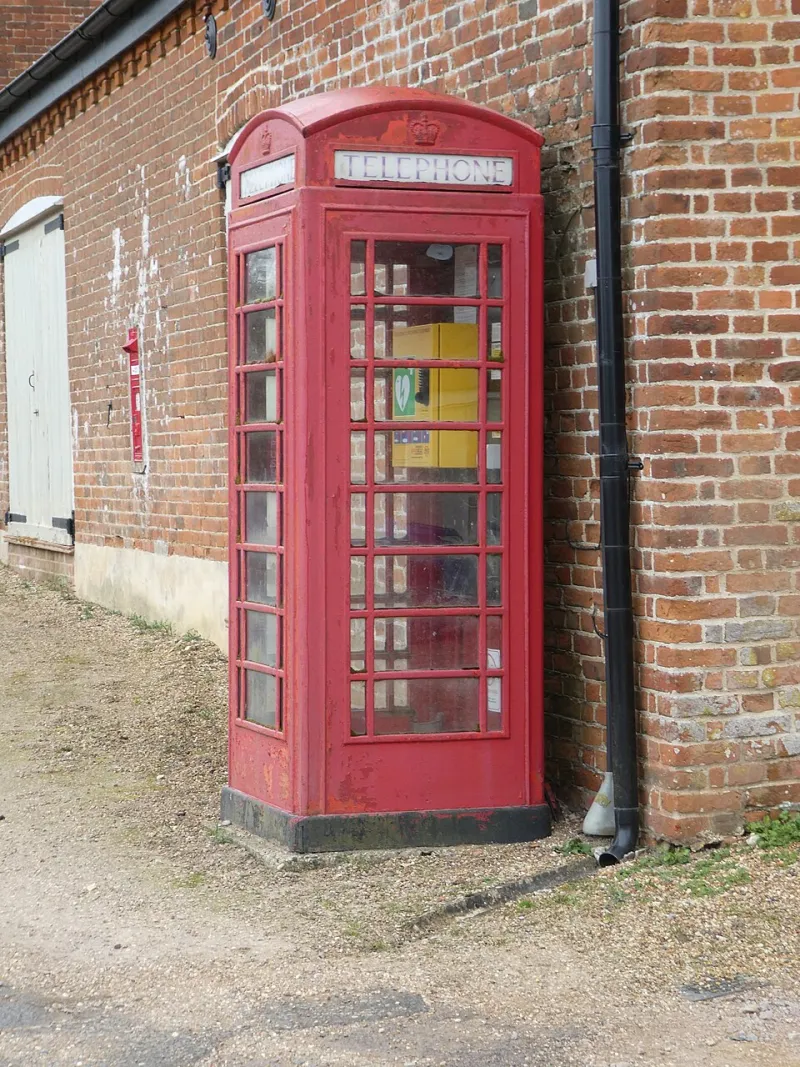
Britain’s disused red phone boxes have become miniature lending libraries, but the real story is in the gaps: the vanished thrillers, pencilled margins and unsigned notes. This is a field report from the scene of the crime, where every missing paperback is a clue and every donation is a red herring.

Tuppence for Your Thoughts: What the Seaside Arcade Knows About Suspense

Tuppence for Your Thoughts: What the Seaside Arcade Knows About Suspense

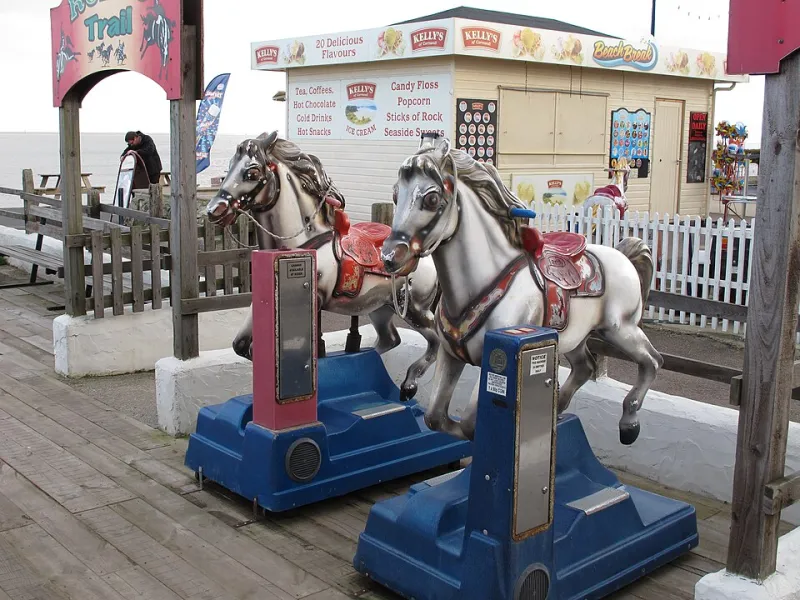
The British seaside arcade is an accidental school for storytellers: a fug of copper, carpet cleaner and manufactured near-misses. This is a field guide to the 2p coin pusher, the claw machine and the fortune-teller booth as narrative engines, with exercises for plotting around mechanical chance and glorious disappointment.

No One Famous Slept Here: The Case for Commemorating the Utterly Ordinary

No One Famous Slept Here: The Case for Commemorating the Utterly Ordinary

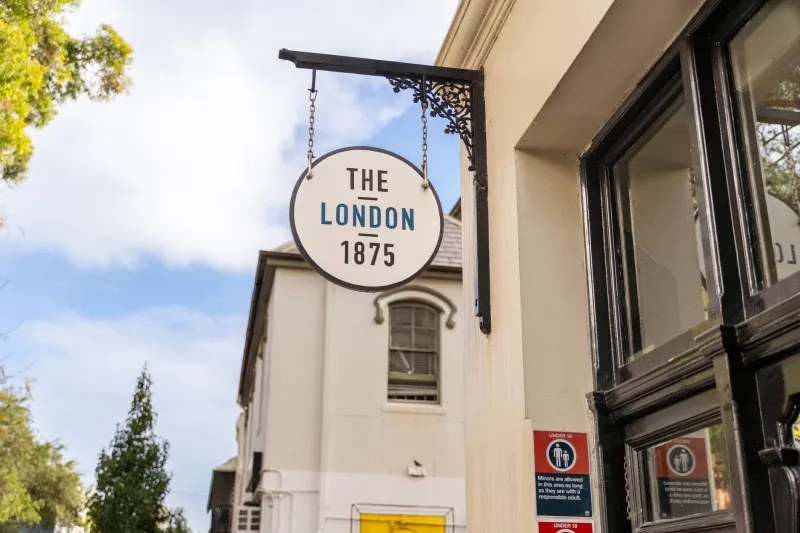
Britain’s blue plaques are a national addiction to greatness, pinned to brickwork like medals on a blazer. But what happens when we stop asking who was famous here and start asking what else a building remembers? A defence of the unremarkable house, the disputed plaque and the secret life of the corner shop.

The Single Glove Is a Cliffhanger: Lost Property Offices and the Fiction of Missing Persons

The Single Glove Is a Cliffhanger: Lost Property Offices and the Fiction of Missing Persons

Britain’s left-luggage racks and lost property offices are accidental archives of absence, where every unclaimed umbrella is a story with its protagonist surgically removed. This is a field guide to writing experimental fiction and poetry from inventories of missing things — without turning other people’s loss into your free props department.

Slight Play, Major Panic: How Garage Paperwork Teaches Literary Suspense

Slight Play, Major Panic: How Garage Paperwork Teaches Literary Suspense

The MOT advisory note is Britain’s most underrated ghost story: a bland little clause that says everything is probably fine while implying the opposite. This craft essay raids the garage invoice for suspense techniques, found-text poems and flash fiction prompts. Bring a pen, a Corsa named Kevin and a willingness to be haunted by the phrase ‘monitor and advise’.

Page 888 Was My Writing Tutor: The Teletext Grid as a Brutal Little Editor

Page 888 Was My Writing Tutor: The Teletext Grid as a Brutal Little Editor

Before the infinite scroll, Britain had a screen that allowed forty characters a line and twenty-four lines a page — and no patience for your adjectives. A defence of Ceefax, Oracle and the teletext grid as the tightest constraint engine experimental writing has ever been handed.

Axminster Narratology: Let the Pub Carpet Write Your Next Short Story

Axminster Narratology: Let the Pub Carpet Write Your Next Short Story

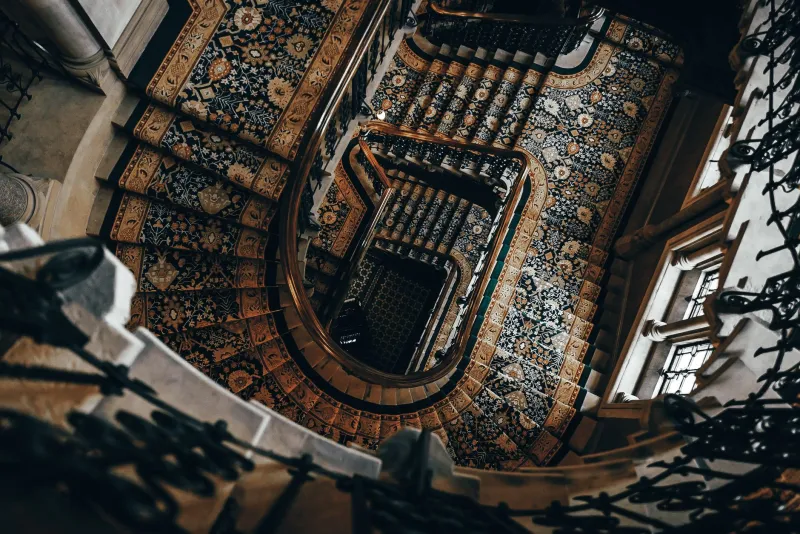
Britain’s pub carpets are not just stain-hiding décor; they are accidental narrative machines with recurring motifs, dodgy symbolism and a plot dictated by foot traffic. Here’s how to read one, map its visual grammar and draft fiction that obeys its rules.

Went Is a Plot Twist: In Praise of Verbs That Won’t Behave

Went Is a Plot Twist: In Praise of Verbs That Won’t Behave

Irregular verbs are not grammar’s embarrassing leftovers; they are tiny acts of narrative sabotage. A craft essay on suppletion, tense and the pleasures of a sentence that refuses to conjugate politely—with exercises for the badly behaved.

The Fifty-Pence Canon: Digging Britain’s Lost Experimental Novelists Out of Charity Shops

The Fifty-Pence Canon: Digging Britain’s Lost Experimental Novelists Out of Charity Shops

Britain’s real avant-garde archive is not in a glass case at the British Library. It is a wobbly shelf near the till in a charity shop, wedged between a broken-spined thriller and a cookbook for people who fear vegetables. This is a field guide to the weird, cheap, out-of-print fiction that still turns up for 50p — and why we should treat the second-hand shelf as a proper literary institution.